Booking choice: The Kabuki-za ticket, from $94 per person. Check dates Tour details
Kabuki-za is the theatre in Tokyo built for kabuki, with a new programme almost every month. The current building, the fifth on the site, opened in April 2013, and it comes with a 29-storey tower, a basement square, a gallery and a garden on the roof.
This guide covers how to get there, the building's history, the seats on each floor, captions and guides, food and bento, Kobikicho Square, the gallery and roof garden, lockers, and Shinbashi Enbujo nearby. To book, see how to buy kabuki tickets.
The quick answer
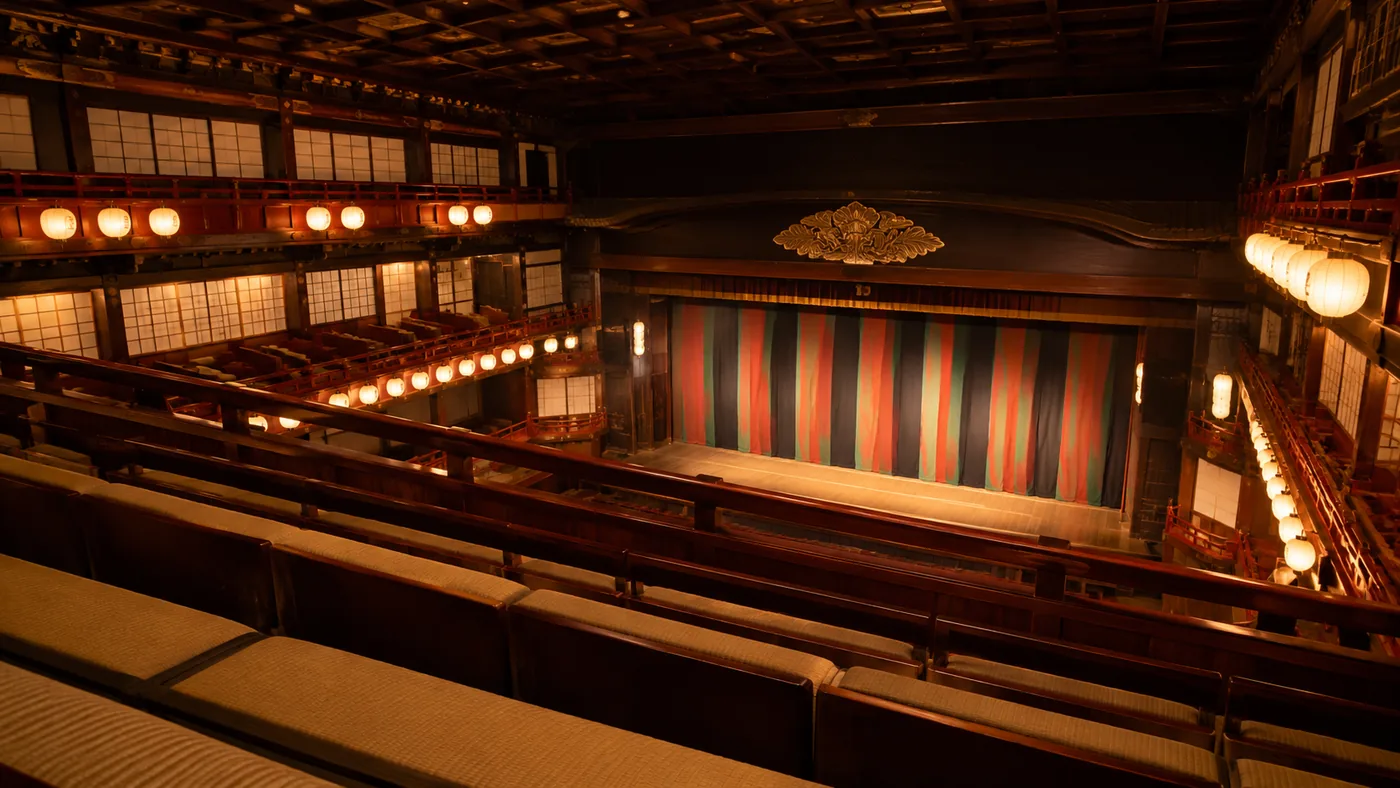
Kabuki-za is at Ginza 4-12-15, Tokyo, and connects directly to Higashi-ginza Station (Hibiya and Asakusa lines) via Exit 3. The auditorium has 1,808 seats on three levels plus 4th-floor single-act seats. A full part lasts 3 to 4 hours with intervals; you may eat in your seat during intervals, caption devices are rented in English, and the Kabukiza Gallery and the roof garden sit on the 5th floor of the tower.
Where is Kabuki-za and how do I get there?
At Ginza 4-12-15, Chuo-ku, in Higashi-ginza. Take the Hibiya or Toei Asakusa line to Higashi-ginza Station and follow Exit 3, which leads straight into the theatre's basement.
Other ways in, per the Kabuki Official Website:
- Ginza Station (Ginza, Marunouchi and Hibiya lines): Exit A6, about a 5-minute walk.
- Tokyo Station: about 10 minutes by taxi.
- By car: parking in the GINZA KABUKIZA, Togeki Building and Ginza Shochiku Square garages.
Exit 3 is the one to remember. It puts you in Kobikicho Square on B2, where the box office, the ticket machines and the bento counters are, and on a rainy evening you never step outside. The theatre's own phone is +81 3 3545 6800.
Is there another kabuki theatre in Tokyo? Shinbashi Enbujo, a short walk away, stages kabuki for some runs; the National Theatre has been closed for reconstruction since the end of October 2023.
How old is Kabuki-za?
The first Kabuki-za opened on 21 November 1889. Today's theatre is the fifth on the site and opened in April 2013, with performances from 2 April.
The theatre's history, per the Kabuki Official Website:
| Year | What happened |
|---|---|
| 1889 | First Kabuki-za opens on 21 November in the Kobikicho district, founded by journalist Fukuchi Gen'ichiro |
| 1911 | Rebuilt in Japanese palace style |
| 1914 | Shochiku takes over the running of the whole theatre |
| 1921 | Destroyed by fire in October; the 1923 Great Kanto Earthquake halts the rebuilding |
| 1925 | Third building opens in January |
| 1945 | Destroyed in the Tokyo air raids in May |
| 1951 | Fourth building reopens in January |
| 2010 | Closes after the April farewell performances |
| 2013 | Fifth building opens in April |
The architect of the current building was Kengo Kuma, with Mitsubishi Jisho Sekkei, per nippon.com. The Kabukiza Tower behind it rises 143 metres. Look for the theatre crest, a phoenix in a circle, on lanterns, seats, doors and roof tiles; the Kabuki Official Website says most face left, and spotting one that faces another way is said to bring luck.
How many seats does Kabuki-za have, and which floor should I pick?
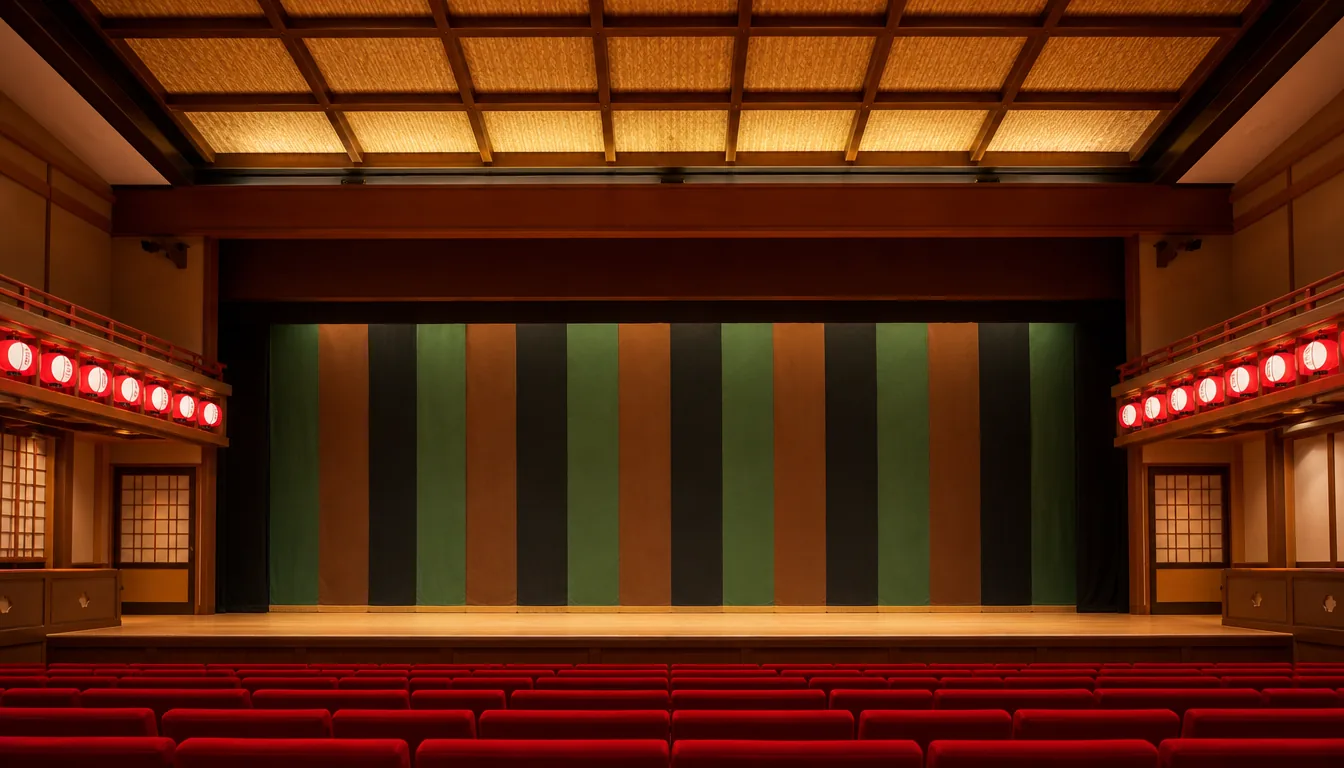
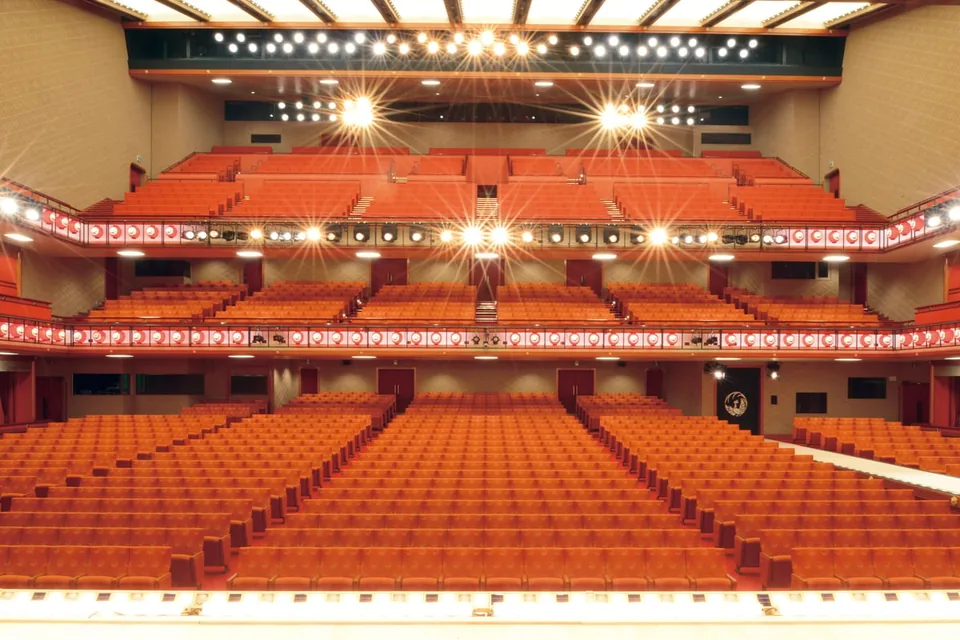
1,808 seats on three levels, plus single-act seats on the 4th floor. The 1st floor puts you beside the hanamichi walkway, the 2nd floor looks over the whole stage, and the 3rd floor has the lower-priced seats.
The seat classes, with the November 2026 box-office prices from Kabuki Bito:
| Seat class | Where | November 2026 |
|---|---|---|
| Tokuto (special seat) | Marked on the month's seat map on Kabuki Bito | 20,000 yen |
| Sajiki (box seat) | Along the side of the 1st floor | 20,000 yen |
| 1st class | 1st and 2nd floors | 18,000 yen |
| 2nd class A, B and C | Includes 2nd class A on the 1st floor | 9,000 to 15,000 yen |
| 3rd floor A and B | 3rd floor | 5,000 to 6,500 yen |
| Single act | 4th floor, one act at a time | 1,600 to 3,000 yen |
The hanamichi is the raised walkway that runs from the stage through the audience on the 1st floor, used for big entrances and exits. Many of the most famous moments happen on it, so the 1st floor sees them up close. Opera glasses can be rented for the 1st to 3rd levels.
The GetYourGuide Kabuki-za ticket is sold in First Class (1st or 2nd floor) and Second Class A (1st floor), with the seat allocated first come, first served.
Does Kabuki-za have English captions or guides?
Yes. Caption devices in English or Simplified Chinese show the dialogue, lyrics and short notes as the play runs. They cost 1,500 yen per full part, cash, and come included on the GetYourGuide ticket.
Kabuki-za rents caption devices in English or Simplified Chinese for 1,500 yen per full part and 1,000 yen per single act, cash only, per the Kabuki Official Website. Full-part guests rent them on the ground level; single-act guests on the 4th level. Kabuki-za is the only theatre with this service, per the Kabuki Official Website.
More help in English:
- Free English flyer: a story overview for the month's plays.
- Programme booklet: sold in Japanese, with an English synopsis at the back.
- Kabuki Plays Guide: an English database of plays on the Kabuki Official Website, useful the night before.
Read the flyer before curtain-up and keep the captions for the dialogue: the story makes sense in minutes, and your eyes stay on the stage.
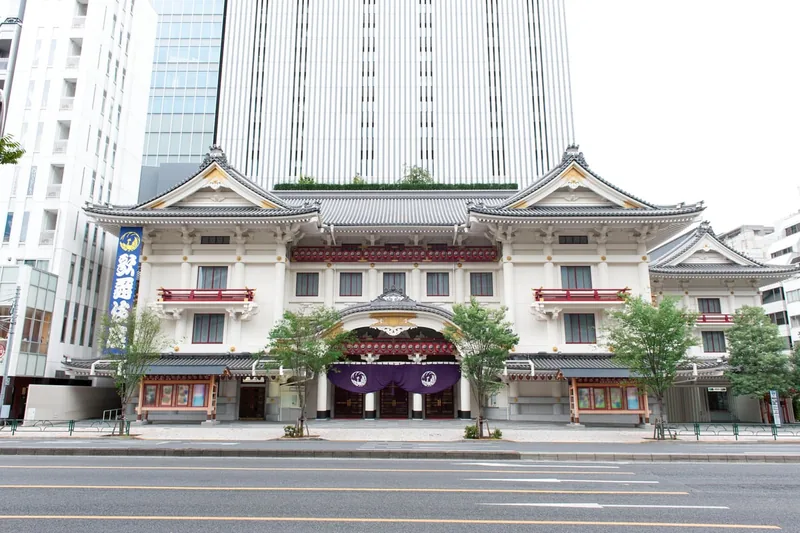
A full part at Kabuki-za with the live music, the hanamichi and the caption device already in the ticket.
Explore the Kabuki-za ticket Tour detailsCan you eat at Kabuki-za, and what is a kabuki bento?
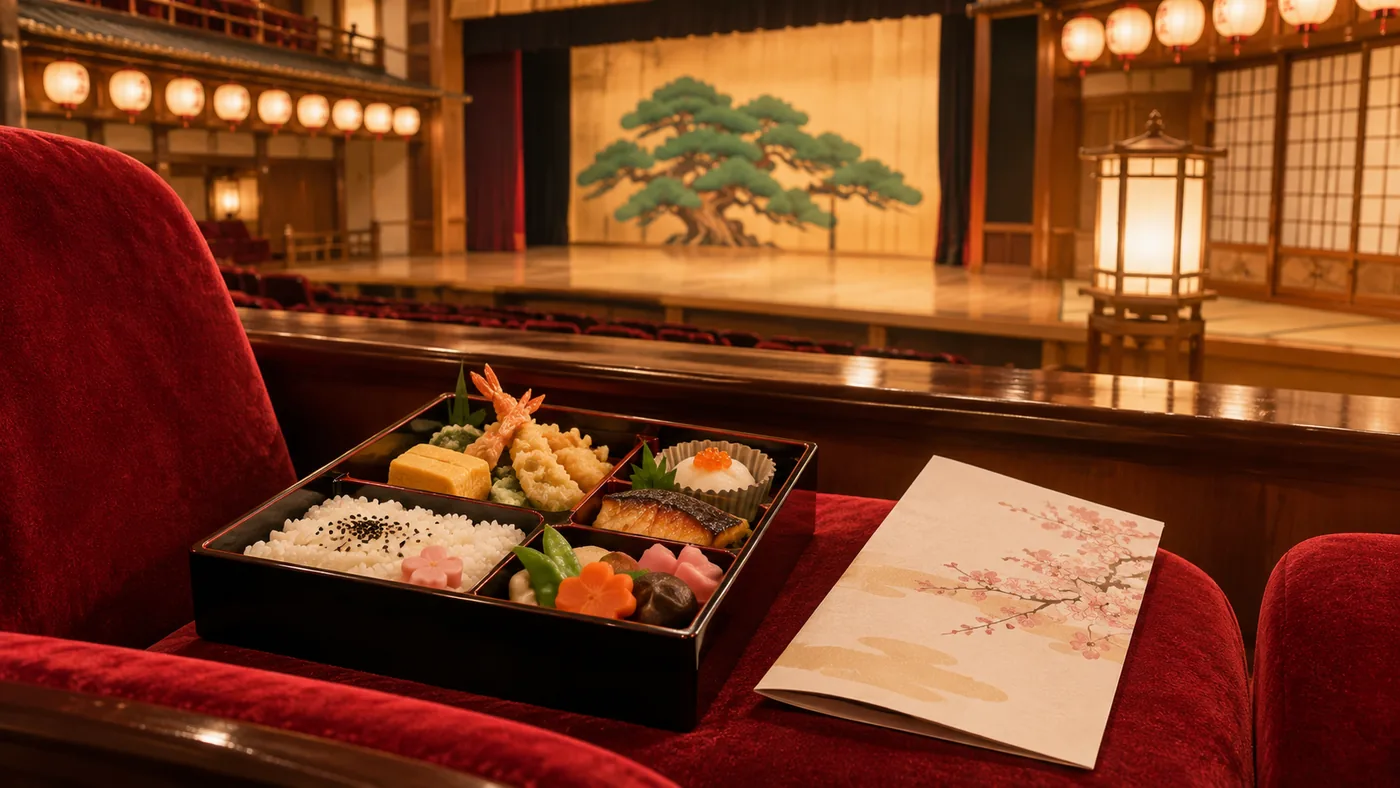
Yes, in your seat during the intervals, never during the play. Bento boxes are sold in the theatre and in Kobikicho Square, and there are Japanese restaurants inside.
Eating a bento in your seat is part of the outing. The boxed meals of the theatre are known as makunouchi, "between the acts", a name that goes back to the Edo period. Kabuki-za sells bento and snacks, including limited-time boxes tied to the month's play; in November 2026 the theatre's own menu includes the "Ako Gishi Bento" and the "Chushingura Gozen". Outside food is allowed as well, per the Kabuki Official Website.
For a sit-down meal, the restaurants inside take reservations on +81 3 3545 6820 (10:00 to 17:00, Japanese only), ideally at least 2 days ahead. Drinks and snacks are sold on floors 1 to 3. The interval is usually 20 to 30 minutes, so a bento bought before the show saves the queue.
What is in Kobikicho Square?
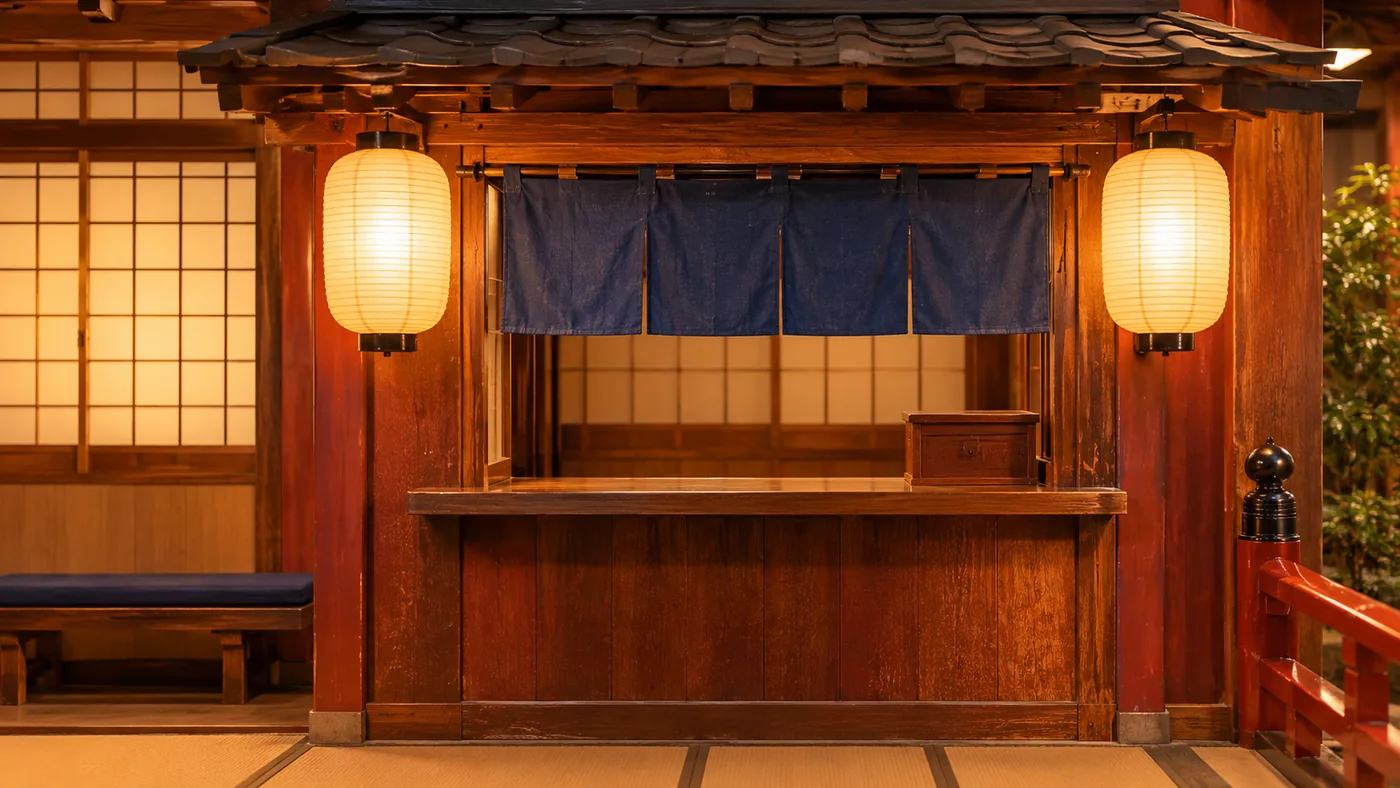
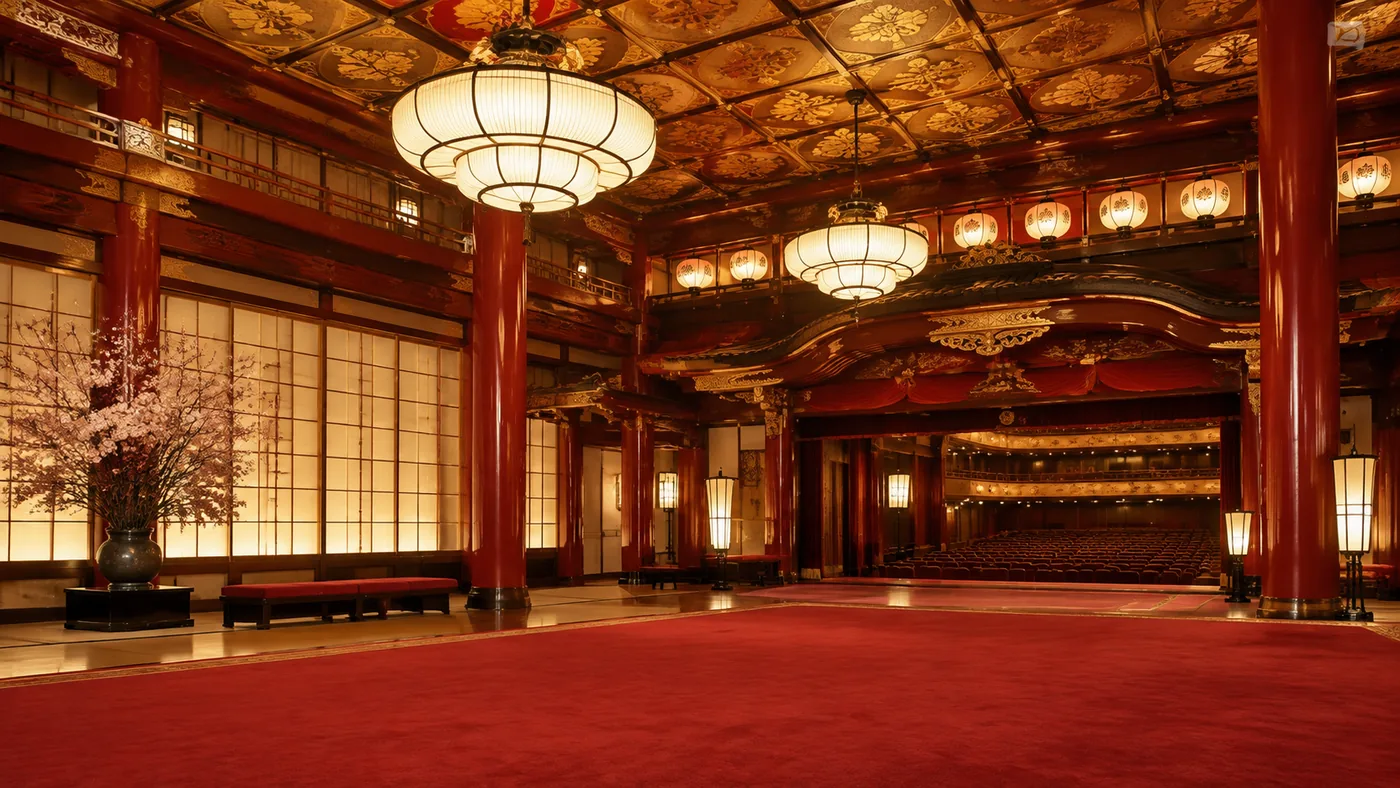
Kobikicho Square is the basement hall on B2, linked to Exit 3 of Higashi-ginza Station. It holds the box office, souvenir and food shops, bento counters, a convenience store and a giant lantern.
The shops on Shochiku's list include Kaomise for souvenirs, the Kabuki Chaya food stall, Yagura for bento and Hanamichi for food and goods. There is also a currency exchange machine for 13 currencies and free "G Free" Wi-Fi, per Shochiku. On the ground floor, a souvenir shop sells ningyo-yaki, small cakes filled with red bean paste.
You do not need a ticket to visit, which makes it a good stop on a Ginza day. Accessible toilets are on B2 and on the 5th floor of the tower, per the Tokyo Metropolitan Government's accessible tourism pages.
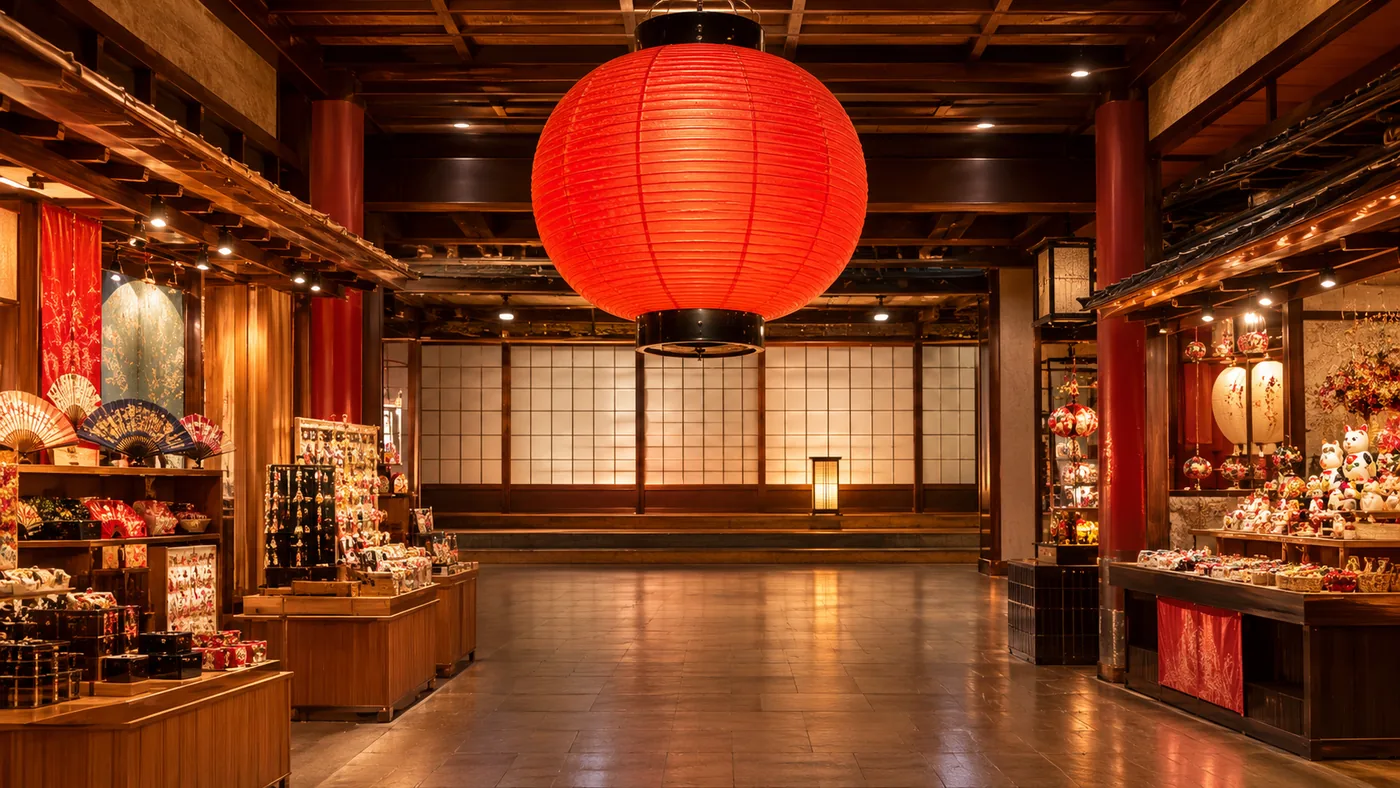
Meet at the B2 ticket office, pick up a bento in Kobikicho Square, and watch a full part with English captions.
Check dates for the Kabuki-za ticketIs the Kabuki-za roof garden free?
Yes. The roof garden and the Kabukiza Gallery are both free and reached from the 5th floor of Kabukiza Tower, about a minute's walk from Exit 3 of Higashi-ginza Station. No show ticket is needed.
The Kabukiza Gallery is open 10:30 to 18:00. It is a space to learn about kabuki, with real props you can touch and photograph; exhibits change with events, per the Kabuki Official Website.
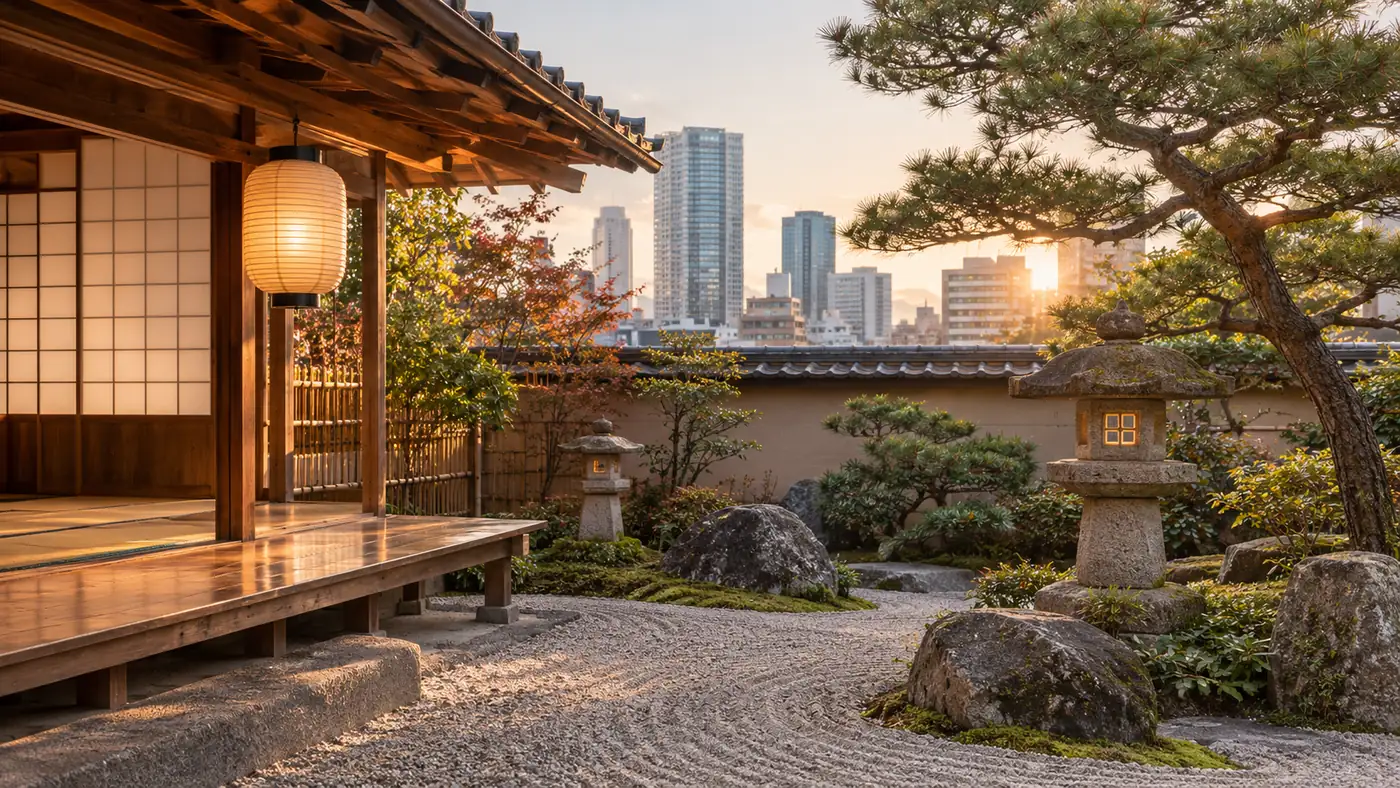
The roof garden is a Japanese-style garden on top of the theatre, about 450 square metres, per nippon.com, with memorial stones, demon-face roof tiles from the fourth Kabuki-za and a stone lantern that belonged to the playwright Kawatake Mokuami. From the garden staircase you can see the phoenix crest on the roof tiles.
Kabuki-za also runs an Interactive KABUKI Workshop, 90 minutes at Kabukiza Hall, three times a month from 7 September to 21 December 2026, per the Kabuki Official Website. For a hands-on day further afield, the kabuki actor experience in Gifu puts you in kumadori make-up and costume on a 100-year-old stage.
Are there lockers at Kabuki-za, and what is nearby?
Yes: 200-yen coin lockers, available from opening time. Nearby, Shinbashi Enbujo is a short walk down the street, and the shops of Ginza are around the corner.
The lockers come in two sizes, and the theatre advises leaving everything but valuables in them if you carry large luggage. Remove hats in the auditorium, keep phones switched off and take no photos during the performance. There is no dress code, per the Kabuki Official Website.
Shinbashi Enbujo is at Ginza 6-18-2, near Exit 6 of Higashi-ginza Station or Exit A3 of Tsukiji-shijo Station. It opened in April 1925 as a stage for the Azuma dances, was rebuilt in 1982, and stages kabuki, plays, musicals and Super Kabuki; its January 2027 programme runs 3 to 27 January. It has no English earphone guide, and the programme book carries an English synopsis.
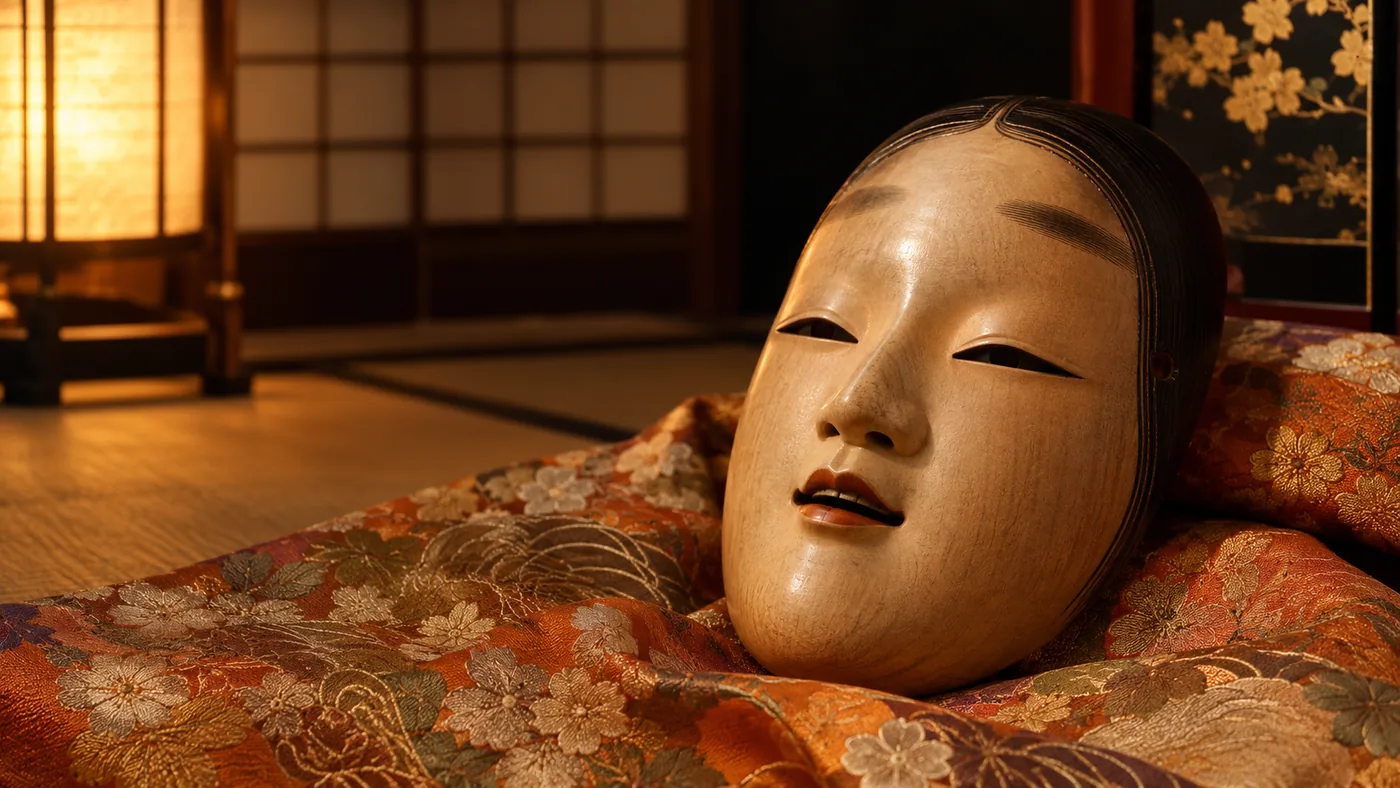
Planning more than one night? Noh and kyogen at the National Noh Theatre, the older masked theatre, has subtitle screens at every seat, and the Asakusa popular theatre show is taishu engeki, kabuki's popular cousin.
Frequently asked questions
How long is a show at Kabuki-za?
A full part lasts 3 to 4 hours including intervals. In November 2026 the matinee runs from 11:00 to about 15:42 and the evening from 16:30 to about 21:17.
Is there a dress code at Kabuki-za?
No. Dress as you would for shopping or another theatre visit. Some women wear kimono, often on opening days.
Can I take photos inside Kabuki-za?
Not during the performance, even without flash. You can take photos in the lobby, Kobikicho Square and the Kabukiza Gallery.
What time do the doors open at Kabuki-za?
About 30 minutes before the start. The theatre asks you to be in your seat 5 minutes before curtain-up.
Ready to book
Choose your ticket
Free cancellation on every option: Kabuki-za Kabuki Show Ticket with English Captions up to 2 days before; Kabuki Actor Experience at Aioi-za Theatre, Gifu up to 24 hours before; Noh & Kyogen at the National Noh Theatre up to 24 hours before. Prices are from-prices in USD and move with the season.
Kabuki-za Kabuki Show Ticket with English Captions
- Ticket for one full part (matinee or evening)
- First-class or second-class A seat, by option
- English or Simplified Chinese caption service
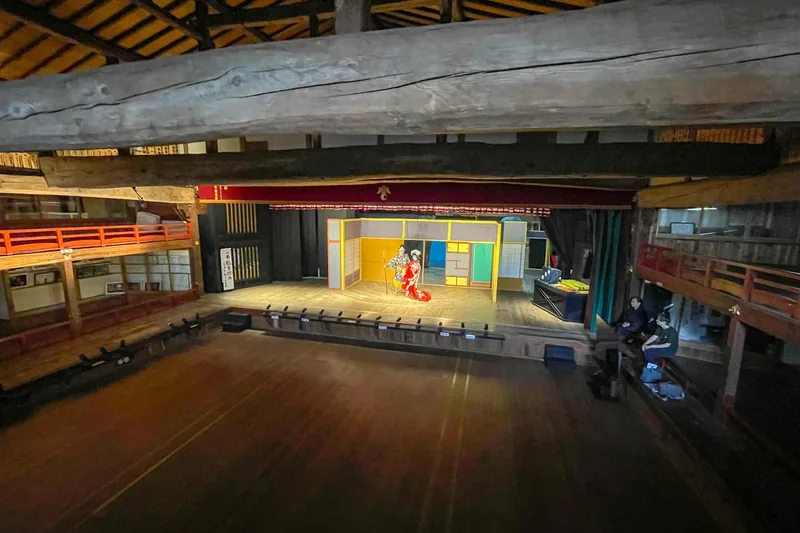
Kabuki Actor Experience at Aioi-za Theatre, Gifu
- Museum Nakasendo visit
- Kumadori make-up, wig and costume
- Rehearsal and stage scene with a local kabuki master
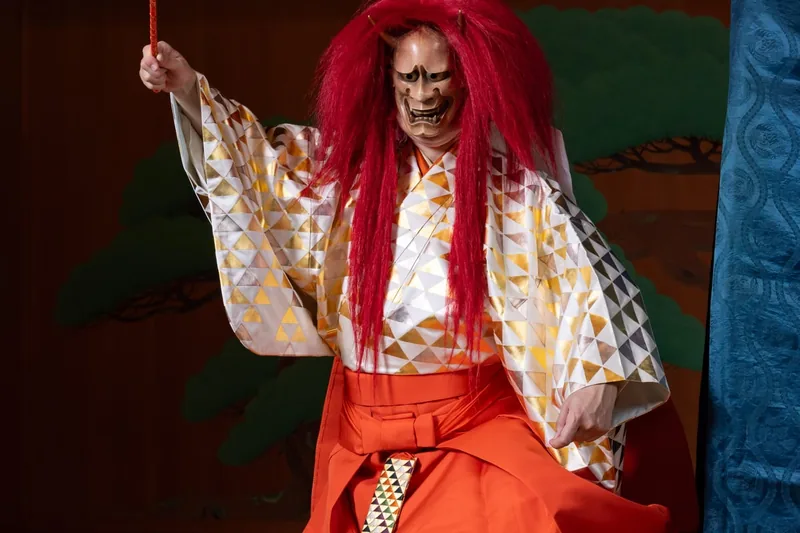
Noh & Kyogen at the National Noh Theatre
Noh and kyogen, the older masked theatre, with subtitles